


CIS ATC participates in the meeting of the Council of CIS Ministers of Internal Affairs
Мероприятия, Органы СНГ
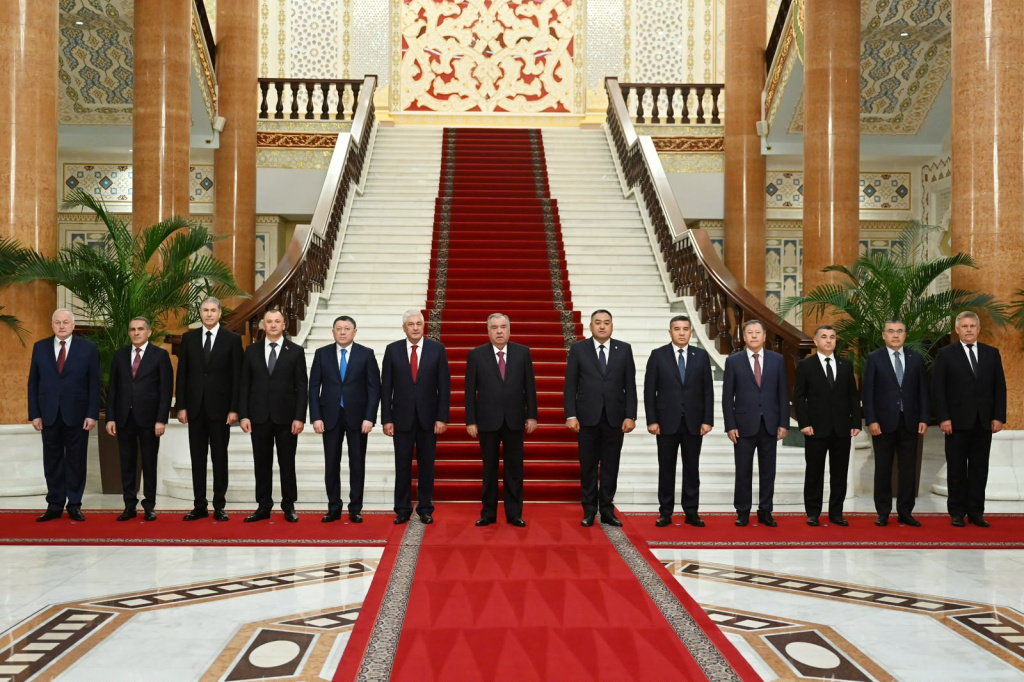
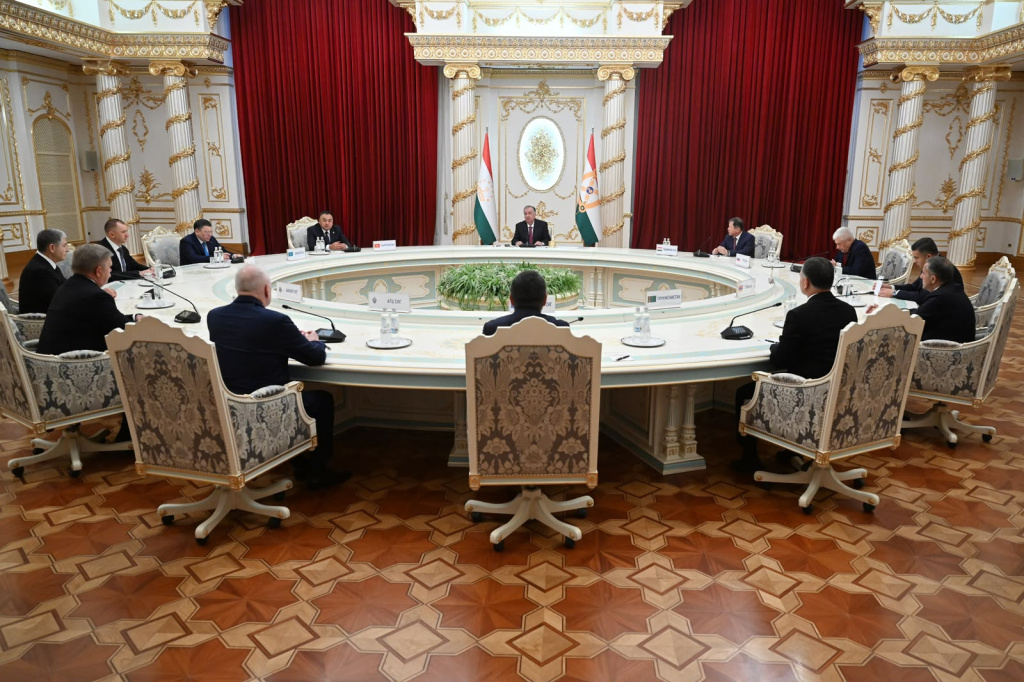
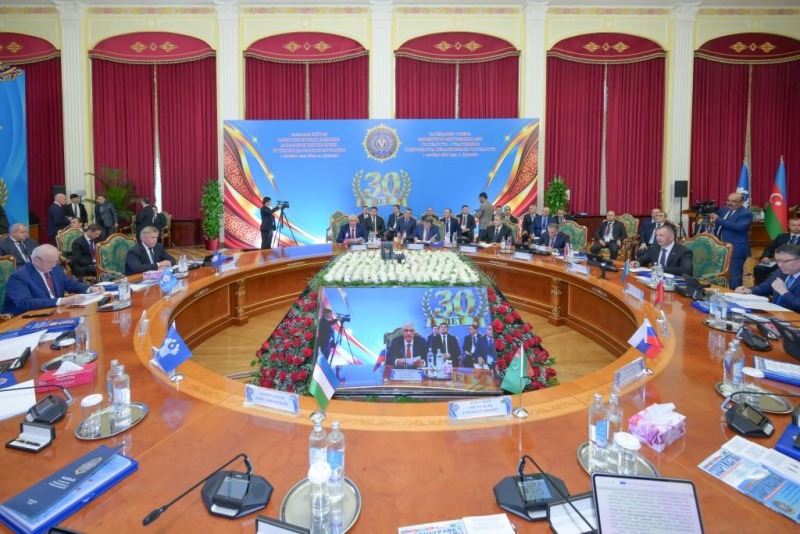
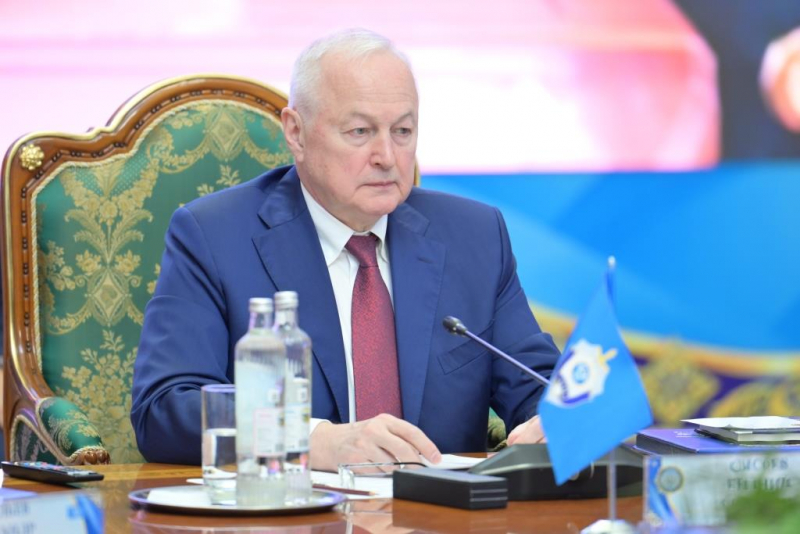
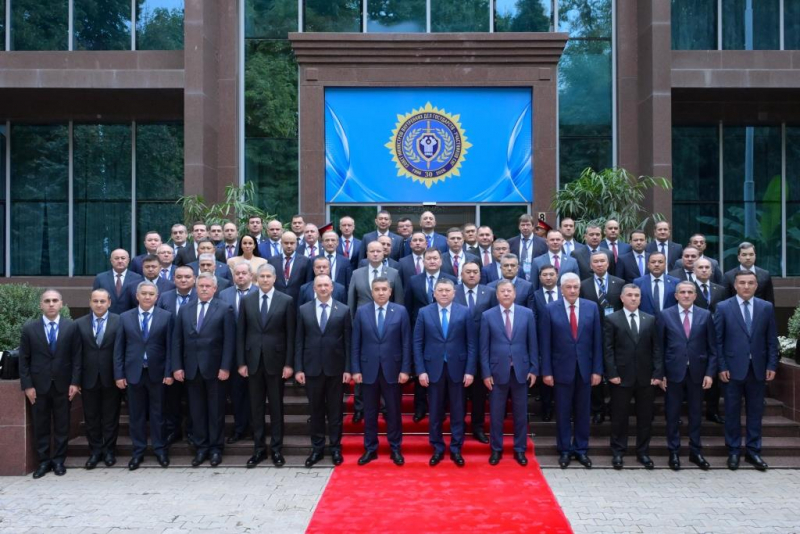
The CIS ATC delegation, led by its Head, Evgeny Sysoev, took part in the meeting of the Council of Ministers of Internal Affairs of the CIS member states, held in Dushanbe, Republic of Tajikistan on October 1, 2026.
The event was attended by delegations from the Republic of Azerbaijan, the Republic of Armenia, the Republic of Belarus, the Republic of Kazakhstan, the Kyrgyz Republic, the Russian Federation, the Republic of Tajikistan, Turkmenistan, the Republic of Uzbekistan, the CIS Executive Committee, the Bureau for Coordination of Combating Organized Crime and Other Dangerous Types of Crimes on the Territory of the CIS Member-States (BKBOP), and the CIS ATC.
On the eve of the Council meeting, the President of the Republic of Tajikistan, Emomali Rahmon, received the heads of the delegations of the CIS ministries of internal affairs.
During the meeting, participants discussed current priorities for law enforcement cooperation and reviewed progress in implementing the Interstate Program of Combating Crime. They also considered measures to strengthen cooperation in locating wanted persons across national borders, countering criminal use of information technologies, improving information exchange, and combating irregular migration.
The Council approved draft decisions of the CIS Council of Government Heads on amending the Regulations Governing the Competent Authorities Responsible for Interstate Searches for Persons and the Agreement on the Exchange of Genomic Information in Combating Crime.
The Head of the Center briefed participants on the principal terrorist and extremist threats facing CIS member states and the measures taken by the competent authorities to counter them. He emphasized the importance of more effective cooperation between security services and internal affairs bodies. To this end, he proposed a package of measures to strengthen cooperation between the CIS ATC and the BKBOP in organizational matters, operational coordination, information sharing and analysis, research, and training.
